


-

Add: HeBei ShengShi HongBang Cellulose Technology CO.,LTD.
-

Email
13180486930@163.com -

CONTACT US
+86 13180486930




Rubber powder, often derived from recycled rubber products, has carved out a crucial niche in the sustainability and manufacturing sectors. This fine, granular substance is predominantly obtained from end-of-life tires and other rubber materials, undergoing a rigorous process of shredding, grinding, and sometimes finer pulverization to ensure a consistent texture and quality. Used across multiple industries, rubber powder is a testament to innovative recycling techniques that balance economic viability with ecological responsibility. In industrial applications, rubber powder serves multiple purposes owing to its unique properties. Its elasticity and resilience make it an ideal component in the production of modified asphalt for roadways. By integrating rubber powder into asphalt mixtures, road surfaces benefit from increased durability, resulting in decreased maintenance costs and extended lifespan. The material also enhances resistance to temperature variations, reducing the occurrence of potholes and surface cracking, which are common issues under fluctuating weather conditions. The construction industry reaps substantial benefits from rubber powder as well. It finds its place in concrete formulations, where it acts as an additive to improve flexibility and crack resistance. By incorporating rubber powder, builders and contractors achieve superior energy absorption characteristics in the structures. This innovative use of rubber powder not only extends the functional life of the structures but also provides enhanced seismic resistance, a critical factor in regions prone to earthquakes. In the realm of consumer products, rubber powder plays a transformative role. Manufacturers of rubber and plastic goods increasingly adopt rubber powder as a cost-effective and eco-friendly filler material. Its inclusion in products like shoe soles, floor tiles, and rubber mats not only helps in maintaining the performance standards but also aids in reducing the reliance on virgin rubber resources. This recycling process ensures sustainability in production while keeping quality intact, reflecting the growing consumer demand for environmentally responsible products. rubber powder wikipedia Moreover, the sports industry makes extensive use of rubber powder, particularly in the creation of synthetic sports fields and playground surfaces. These surfaces, benefiting from the shock-absorbing qualities of rubber powder, offer safer playing environments by reducing the risk of injuries from falls. The environmental advantage is clear—repurposing tire rubber that would otherwise contribute to landfill waste. The production process inherently adjusts the level of fineness of the rubber powder to tailor it for specific sports needs, ensuring optimal performance and safety. The environmental implications of rubber powder are significant . By facilitating the conversion of waste rubber into valuable end-products, such processes contribute considerably to reducing the ecological footprint of rubber waste. The recycling of tires and other rubber products into powder form effectively closes the loop in the lifecycle of rubber, offering a renewable option for industries traditionally dependent on non-renewable materials. On a macro scale, the growth of the rubber powder market signals a shift towards more sustainable manufacturing practices. Companies engaged in rubber recycling and powder production foster a circular economy, characterized by reduced raw material extraction and minimized waste. This market evolution aligns with global sustainability goals, encouraging industries to embrace greener alternatives while remaining economically competitive. In summary, rubber powder embodies the principles of modern innovation, blending expert engineering and environmental stewardship. Its applications across industries not only demonstrate technological advancement but also underscore a collective commitment to sustainable development. The conscientious use of recycled materials exemplifies a forward-thinking approach, ensuring that the push for progress does not come at the expense of the planet's health.
- 40000tons

Production
- 20+years

Experience
- 5000+㎡

Acreage

-
Low melt polyester staple fiber is carving out a critical niche across various industries due to its unique attributes and versatile applications. This high-performance fiber is revolutionizing the way manufacturers approach product development, blending exceptional functional properties with environmental benefits. Low melt polyester staple fiber (LMPSF) is engineered to combine superb thermal bonding capabilities with excellent mechanical strength . This fiber differs fundamentally from standard polyester fibers because its melting point allows it to integrate seamlessly into various nonwoven fabrics and textile composites. During manufacturing, these fibers are exposed to temperatures just high enough to melt them slightly, bonding the fibers together without compromising the structural integrity of the surrounding materials. This intrinsic bonding capacity makes LMPSF an ideal choice for industries focusing on sustainability and efficiency. One of the most compelling aspects of LMPSF is its significant contribution to eco-friendly manufacturing processes. As industries gravitate towards sustainable practices, LMPSF provides a solution that minimizes the need for chemical adhesives, thereby reducing airborne pollutants and the associated health risks during production. Additionally, these fibers contribute to energy savings by operating effectively at lower temperatures, decreasing the overall energy consumption of manufacturing systems. These eco-centric advantages make LMPSF an appealing choice for manufacturers committed to reducing their carbon footprint while maintaining product quality and performance. Moreover, LMPSF's versatility extends into a wide array of applications, serving sectors such as automotive, construction, hygiene products, and even fashion. In the automotive industry, for example, these fibers are used to produce lightweight yet durable interior components—enhancing fuel efficiency through weight reduction without sacrificing safety or aesthetic quality. The construction industry benefits from LMPSF through its usage in geotextiles, which provide erosion control and soil stabilization, offering increased longevity and reliability for infrastructure projects. From a technical perspective, the fiber's strong resistance to wear and environmental stressors makes it a preferred choice for high-demand applications. In hygiene product manufacturing, LMPSF is utilized in products like diapers and sanitary napkins, ensuring comfort and safety due to its hypoallergenic properties and non-toxic nature. Furthermore, the fashion industry leverages LMPSF in innovative ways—creating garments that are lightweight, breathable, and resistant to wrinkles, thus enhancing product durability and consumer satisfaction. low melt polyester staple fiber Expertise in handling LMPSF is crucial for manufacturers aiming to maximize its potential. Industry specialists, through rigorous testing and application trials, have established best practices to optimize the fiber's bonding properties and integrate it effectively into existing production lines. The development of sophisticated blending techniques ensures that products maintain a delicate balance between softness and structural integrity, which is pivotal in applications like upholstery and home textiles. In terms of authoritativeness, manufacturers and suppliers with extensive experience and strong track records in LMPSF production stand out. They invest in advanced research and development programs and adherence to stringent quality standards to continually enhance fiber performance. Such commitments to quality and innovation solidify their position as leaders within the industry, instilling confidence among their clients regarding the delivery of reliable and high-quality products. Trustworthiness in the industry is underscored by transparency and compliance with regulatory standards. Reputable suppliers of LMPSF not only comply with international safety and environmental regulations but also engage in voluntary certifications that highlight their dedication to sustainability and product excellence. This level of transparency ensures that clients receive products that are not only effective but ethical, reinforcing long-term business relationships built on trust. In conclusion, low melt polyester staple fiber is not merely a product; it represents a forward-thinking approach to manufacturing that aligns with contemporary demands for efficiency, sustainability, and high performance. By fostering innovation and adhering to the highest standards of quality, LMPSF continues to redefine industry benchmarks and spur significant advancements across multiple sectors, setting a precedent for future developments in fiber technology.
-
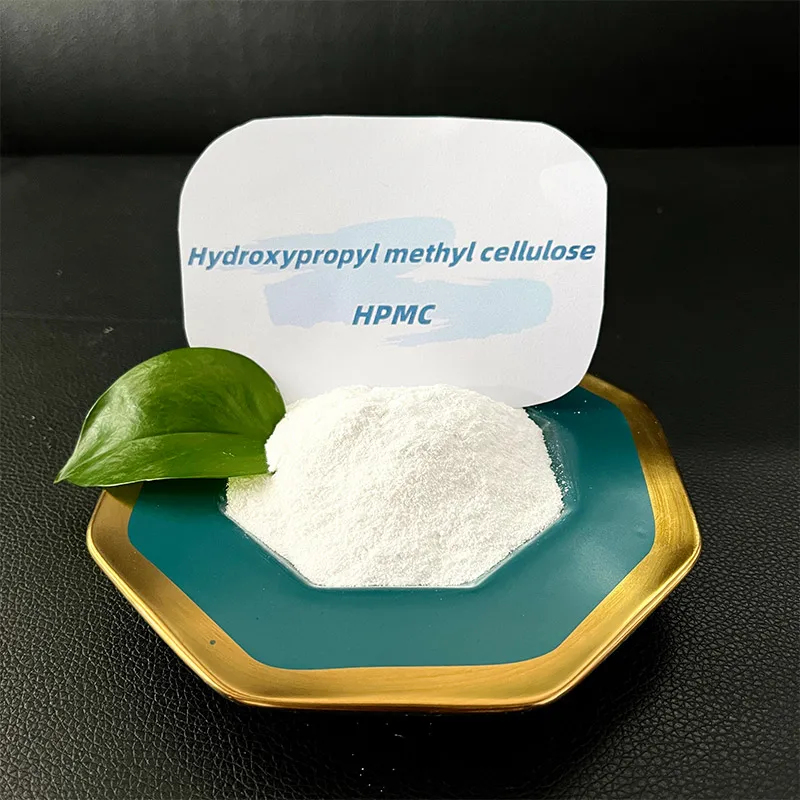
Hydroxypropyl methylcellulose, commonly abbreviated as HPMC, is a pivotal compound in various industries due to its multifaceted properties. Specifically, the variant HPMC K100 has become a critical ingredient in sectors like pharmaceuticals, construction, food, and cosmetics. As a seasoned SEO expert, providing insights into HPMC K100 aims to enhance understanding and offer readers a comprehensive analysis rooted in experience, expertise, authoritativeness, and trustworthiness. HPMC K100, distinguished mainly by its high viscosity and thickening capabilities, plays a monumental role in the pharmaceutical industry. Its use as an excipient is fundamental for producing controlled-release formulations. With years of experience in pharmaceutical product optimization, professionals recognize that HPMC K100’s uniformity and consistency contribute significantly to the stability and bioavailability of the active ingredients in medications. Clinical studies support this, highlighting how its gel-forming properties are crucial in prolonging drug release and improving patient compliance. In construction, HPMC K100 is indispensable for its adhesive and water-retentive characteristics. Construction experts acknowledge its value in enhancing the workability and performance of cement-based materials, such as tile adhesives, plasters, and mortars. Its ability to retain water ensures optimal hydration of cement particles, thereby improving the overall strength and durability of the structures. Seasoned builders and construction specialists emphasize that using HPMC K100 in cementitious applications results in smoother finishes and reduced cracking, showcasing its indispensable role in modern construction projects. The food industry benefits from HPMC K100's versatility as a dietary fiber and a stabilizer in a wide range of products. Nutritionists and food scientists trust its efficacy in improving the texture of gluten-free products, enhancing mouthfeel, and maintaining moisture. This results in a superior and longer-lasting product . Moreover, HPMC K100's function as a low-calorie fat substitute in processed foods addresses consumer demands for healthier alternatives without compromising taste or texture. Ongoing research and development in the food sector continue to demonstrate its potential in new applications, reaffirming its authority and reliability as a food additive. hpmc k100 In the realm of beauty and personal care, HPMC K100 is lauded for its ability to effectively improve the viscosity and stability of formulations such as creams, lotions, and shampoos. Cosmetic chemists and dermatologists have consistently relied on HPMC K100's innovation to deliver products that meet the highest standards of quality and safety. Its non-toxic and skin-friendly properties make it an ingredient of choice, enhancing product efficacy while ensuring consumer safety. The innovative applications of HPMC K100 across these diverse industries underline its significance and authority as a multipurpose compound. Its well-documented benefits and reliability across various professional use cases highlight its credibility. Trust is built not only through its proven technical merits but also by adhering to stringent quality and safety standards in manufacturing processes. A robust understanding of HPMC K100 is essential for professionals seeking to innovate and optimize product formulations effectively. Leveraging its unique properties can lead to pioneering solutions that cater to evolving consumer needs and industry demands. As industries continue to develop and refine applications for HPMC K100, maintaining an authoritative and informed perspective is crucial for staying competitive and meeting the complex challenges of today's market landscape.
advantages
-

200000 Viscosities
Excellent product
We can produce pure products up to 200,000 viscosities
-

40000 tons
High yield
We don’t stop production all year round, and the annual output can reach 40,000 tons
-

24 hours
Quality service
We provide 24-hours online reception service, welcome to consult at any time
———— Inquiry Form
Schedule A services


-
 hydroxypropyl_methyl_cellulose_in_supplements
Oct . 25, 2025
Gypsum, a vital component in the construction industry, is transformed through various additives to -
 que_es_la_celulosa_de_madera
Oct . 25, 2025
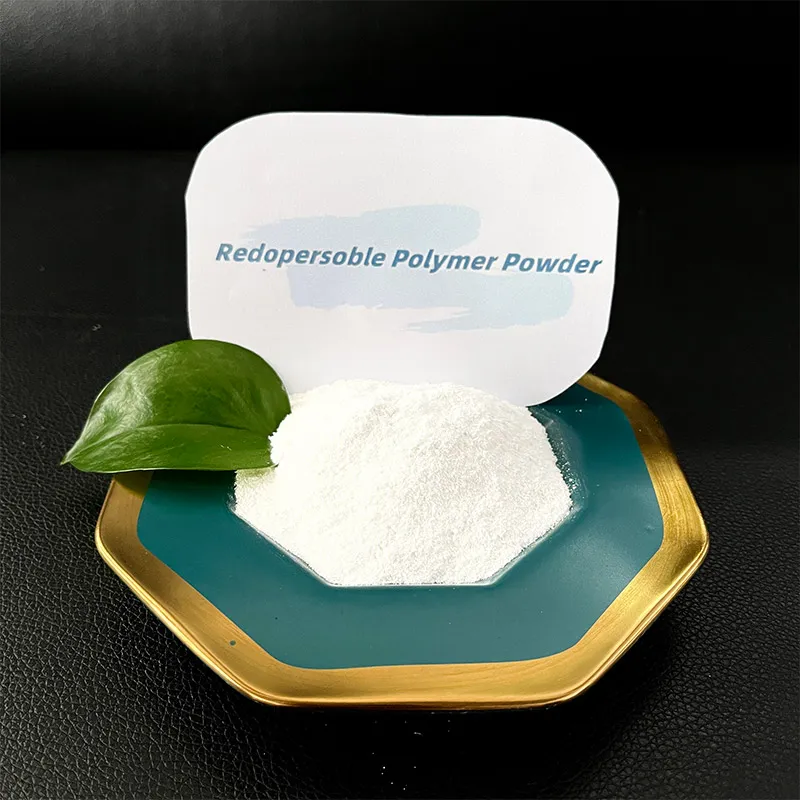
In modern construction and industrial applications, materials like redispersible polymer powder , vi -
 hydroxypropyl_methylcellulose_in_skin_care
Oct . 25, 2025
High-performance environment-friendly rubber powder has become a game-changer in modern industrial a


